Background

During cardiac arrest, the heart temporarily stops pumping blood to the brain. The resulting deprivation of oxygen and glucose may cause brain damage. Most patients that survive a cardiac arrest and resuscitation arrive in the hospital in a comatose state. Of these comatose patients, approximately half dies in the hospital as a result of severe brain damage. Of those surviving up to hospital discharge, approximately half has long term cognitive disturbances. Current possibilities to measure the severity of brain damage after cardiac arrest are limited. Thus, patients’ prognoses may long be uncertain. Effective treatments to improve brain recovery are unavailable.
Mission
It is our mission to improve diagnosis and treatment of brain damage after cardiac arrest.
Objectives
1. To improve multimodal outcome prediction of comatose patients after cardiac arrest
2. To improve early identification of survivors with long term cognitive disturbances
3. To establish effective treatments to improve brain recovery and neurological outcome
Strategy
To achieve our objectives, we formed multicenter clinical research consortia for cohort studies and clinical trials. In addition, we closely collaborate with fundamental and translational scientists to unravel the pathophysiology of brain damage after cardiac arrest and identify new treatment targets.
Studies
BROCA is an umbrella name for several research projects on brain outcome after cardiac arrest.
Here you will find information on the following projects:
Cracking Coma study
GRECO trial
TELSTAR trial
BROCA-prediction study
BROCA-intervention study
MINDSET study
Feel free to contact us for information or te get involved in one of these projects.
You can contact us on info@brocastudies.com
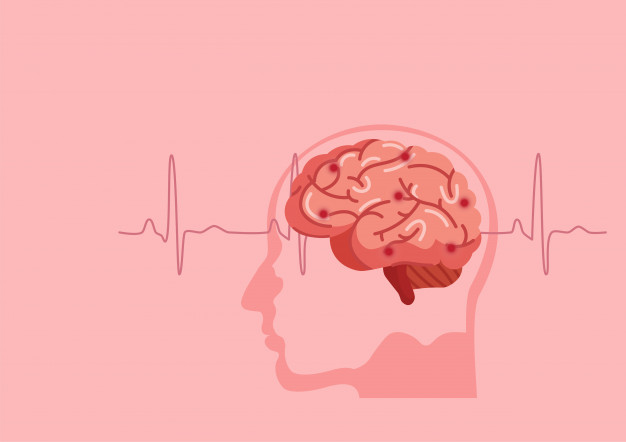
 Brain outcome after cardiac arrest