Predicting long-term cognitive outcome of cardiac arrest survivors
Cardiac arrest survivors are at substantial risk of long term cognitive or emotional impairments. These may lead to functional impairments and restrictions in participation. Early identification of patients at risk of enduring impairments or restrictions could guide targeted interventions. Validated early predictors are currently not available.
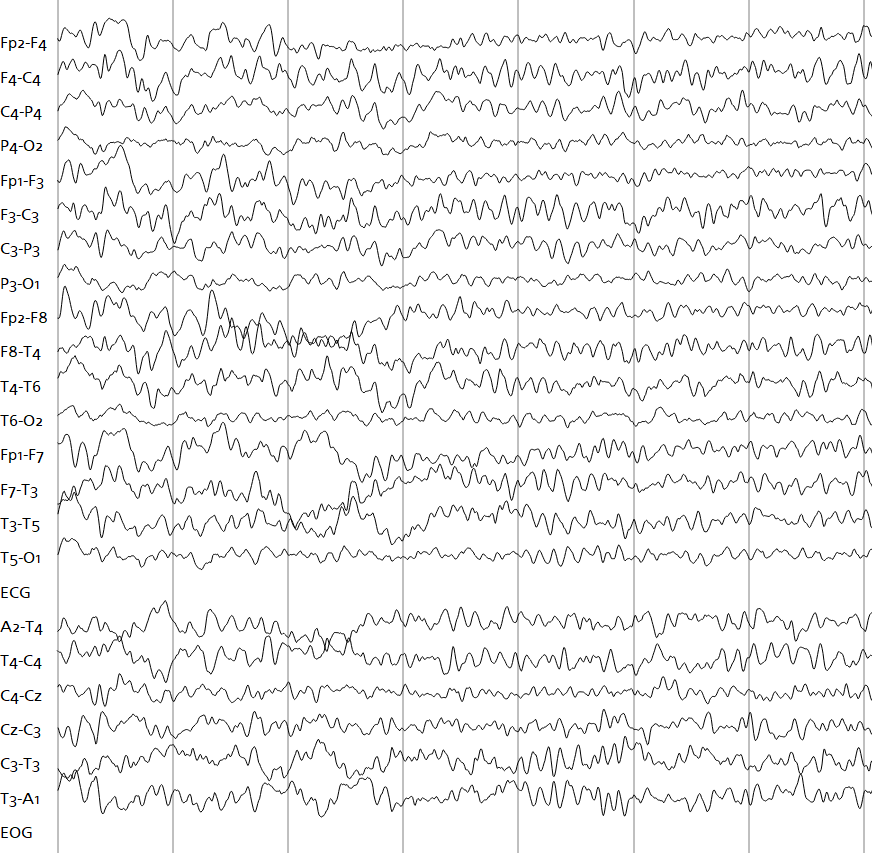
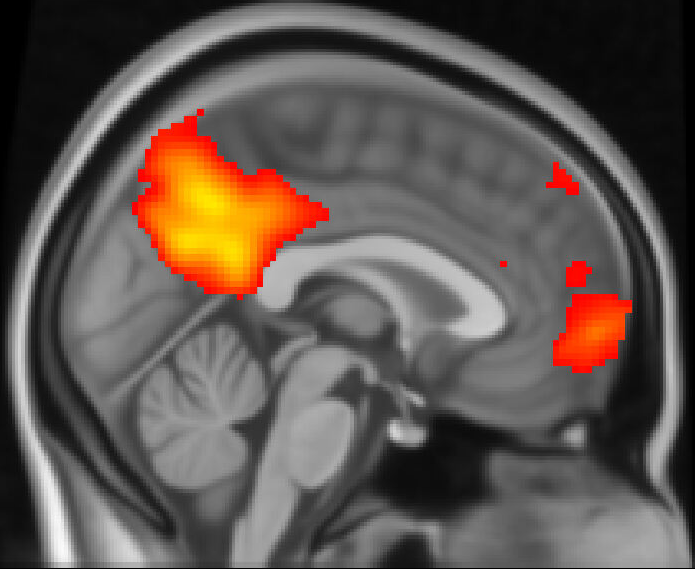
The BROCA-prediction study is a longitudinal multicenter cohort study to establish reliable prediction models of cognitive impairments and restrictions in participation in cardiac arrest survivors. Candidate predictors include clinical, EEG, and MRI factors. The study protocol can be found here.
Team:
- Principal investigator: prof. dr. J. Hofmeijer (University of Twente and Rijnstate Hospital, The Netherlands)
- Study coordinators & PhD candidates: drs. M.M.L.H. Verhulst & drs. A.B. Glimmerveen (University of Twente and Rijnstate Hospital)
Participating centers:
- University of Twente (J. Hofmeijer, M.M.L.H. Verhulst, A.B. Glimmerveen)
- Rijnstate Hospital (J. Hofmeijer, M.M.L.H. Verhulst, A.B. Glimmerveen)
- Medisch Spectrum Twente (M.J.A.M. van Putten)
- Maastricht University Medical Center (C. van Heugten, C.W. van Gils, T.S.L. Delnoij)
- Radboud University Medical Center (J. Bonnes)
- Slingeland Hospital (D. Schellings)
- Gelderse Vallei Hospital (M. van der Veen)
Subsidy provider:

 Brain outcome after cardiac arrest